Discover the Benefits of Women's Health Acupuncture
- LEXI chen
- May 28
- 4 min read

Acupuncture, an ancient practice rooted in Traditional Chinese Medicine, has gained popularity in recent years for its holistic approach to health and wellness. For women, acupuncture offers a unique set of benefits that can address various health concerns, from menstrual irregularities to stress management. In this blog post, we will explore the numerous advantages of women's health acupuncture, how it works, and what you can expect during a session.
Understanding Acupuncture
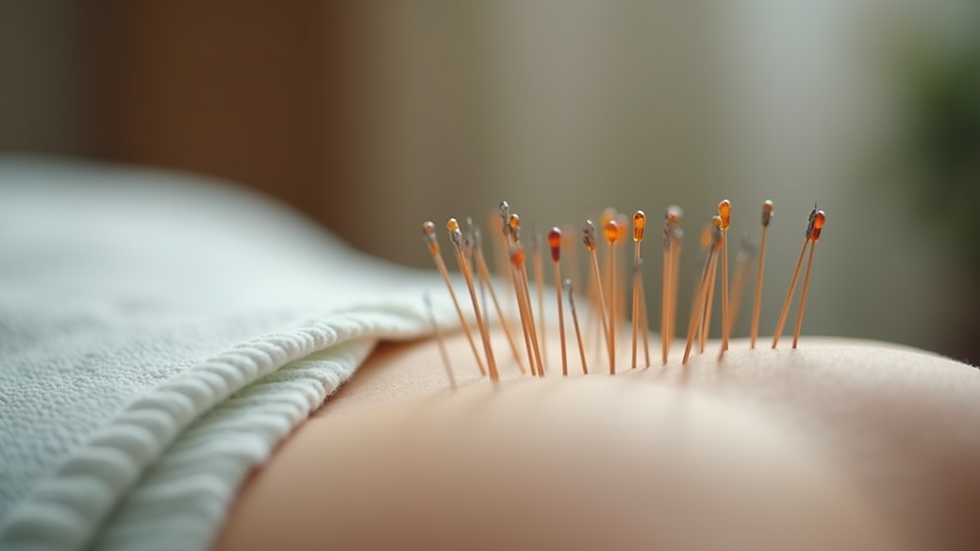
Acupuncture involves the insertion of thin needles into specific points on the body, known as acupuncture points. These points correspond to pathways, or meridians, that are believed to facilitate the flow of energy, or "qi" (pronounced "chee"). By stimulating these points, acupuncture aims to restore balance and promote healing.
How Acupuncture Works
The practice of acupuncture is based on the belief that disruptions in the flow of qi can lead to various health issues. When needles are inserted into specific points, they stimulate the nervous system, releasing endorphins and other chemicals that can alleviate pain and promote relaxation. This process can also enhance blood circulation, reduce inflammation, and support the body's natural healing mechanisms.
Benefits of Acupuncture for Women's Health
1. Menstrual Health
Many women experience menstrual irregularities, including painful periods, heavy bleeding, or irregular cycles. Acupuncture can help regulate menstrual cycles by balancing hormones and improving blood flow to the reproductive organs. Studies have shown that acupuncture can reduce menstrual pain and improve overall menstrual health.
2. Fertility Support
For women trying to conceive, acupuncture can be a valuable complementary therapy. Research indicates that acupuncture may improve ovarian function, increase blood flow to the uterus, and reduce stress levels, all of which can enhance fertility. Many fertility clinics now incorporate acupuncture into their treatment plans to support patients undergoing assisted reproductive technologies.
3. Pregnancy Wellness
Acupuncture can be beneficial during pregnancy, helping to alleviate common discomforts such as nausea, back pain, and fatigue. It can also support emotional well-being by reducing anxiety and promoting relaxation. Some studies suggest that acupuncture may even help prepare the body for labor by encouraging optimal fetal positioning and reducing the need for interventions during childbirth.
4. Menopause Management
As women transition into menopause, they may experience a range of symptoms, including hot flashes, mood swings, and sleep disturbances. Acupuncture has been shown to help alleviate these symptoms by balancing hormones and promoting relaxation. Many women report significant improvements in their quality of life after incorporating acupuncture into their menopause management plan.
5. Stress Relief
Stress is a common issue that can affect women's health in various ways. Acupuncture is known for its ability to promote relaxation and reduce stress levels. By targeting specific acupuncture points, practitioners can help release tension and improve emotional well-being. Regular acupuncture sessions can be an effective way to manage stress and enhance overall mental health.
What to Expect During an Acupuncture Session
If you're considering acupuncture for women's health, it's essential to know what to expect during your first session.
Initial Consultation
Your first visit will typically begin with a consultation. The acupuncturist will ask about your medical history, current health concerns, and lifestyle factors. This information helps them create a personalized treatment plan tailored to your needs.
Treatment Process
During the treatment, you will lie down comfortably while the acupuncturist inserts thin needles into specific points on your body. The needles are usually left in place for about 20 to 30 minutes. Most people find the experience relaxing, with many reporting a sense of calm and well-being during and after the session.
Frequency of Sessions
The frequency of acupuncture sessions can vary depending on individual needs and health goals. Some women may benefit from weekly sessions, while others may find that bi-weekly or monthly treatments are sufficient. Your acupuncturist will work with you to determine the best schedule for your specific situation.
Safety and Considerations
Acupuncture is generally considered safe when performed by a qualified practitioner. However, it's essential to choose a licensed acupuncturist who has received proper training. If you have specific health concerns or conditions, be sure to discuss them with your acupuncturist before starting treatment.
Potential Side Effects
While acupuncture is well-tolerated by most individuals, some may experience mild side effects, such as soreness at the needle insertion sites or temporary fatigue. These effects are usually short-lived and resolve quickly.
Conclusion
Acupuncture offers a range of benefits for women's health, from managing menstrual irregularities to supporting fertility and alleviating stress. By restoring balance and promoting relaxation, acupuncture can enhance overall well-being and improve quality of life. If you're considering acupuncture as part of your health journey, consult with a qualified practitioner to explore how this ancient practice can support your unique needs.
As you embark on your wellness journey, remember that acupuncture is just one of many tools available to support your health. Whether you're seeking relief from specific symptoms or looking to enhance your overall well-being, acupuncture may be a valuable addition to your self-care routine. Take the first step today and discover the benefits of women's health acupuncture for yourself.


Comments